
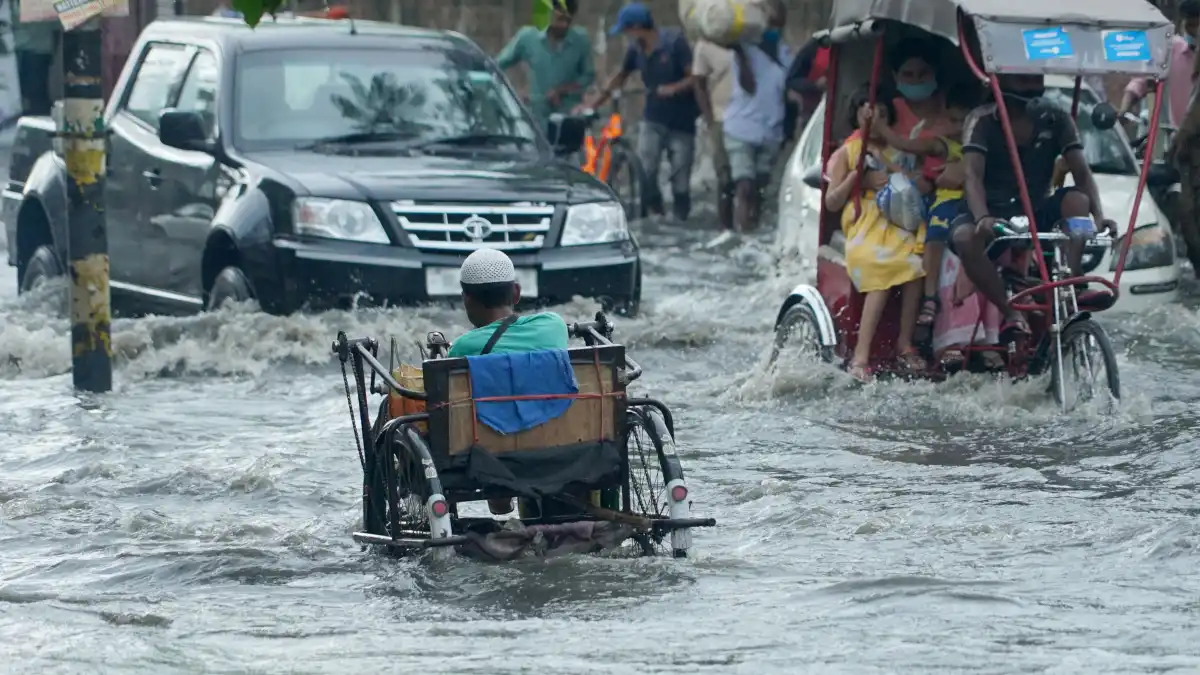
Every monsoon, Guwahati repeats a familiar and damaging cycle. A few hours of rain are enough to flood arterial roads, choke neighbourhoods, stall traffic, and disrupt daily life across the city. Homes take in water, hospitals struggle, schools shut, and businesses slow to a crawl. Emergency responses follow desilting drives, inspections, and assurances of lasting solutions.
But the real failure does not begin with the rain.
It begins months earlier, in winter.
Guwahati’s annual flooding is rooted in winter inaction rather than monsoon rainfall. The dry months offer ideal conditions for desiltation, drain repair, and channel widening, yet year after year this window is wasted. When the rains arrive, structural weaknesses remain, turning predictable rainfall into recurring urban floods.
The Missed Winter Window
Winter is the safest and most practical season for flood-prevention work. There is no rain to undo fresh construction, heavy machinery can operate without interruption, and traffic diversions can be planned methodically. Structural tasks, such as desilting drains, rebuilding collapsed sections, dredging channels, widening outfalls, and restoring natural watercourses, are all best executed during dry months.
Yet Guwahati repeatedly allows this window to pass.
By the time the monsoon arrives, drains remain shallow, natural channels are still encroached upon, and known choke points remain untouched. What follows is predictable: rainfall overwhelms systems that were never structurally prepared to handle it.
Firefighting Over Foresight
The pattern reflects a deeper governance issue. Agencies such as the Guwahati Municipal Corporation, the Guwahati Metropolitan Development Authority, the Public Works Department, and allied bodies tend to respond aggressively only once flooding becomes visible.
Winter, meanwhile, turns into a season of administrative inertia. Files wait for approvals, projects are delayed over fund releases, and accountability fades. When work does begin, it is often cosmetic—clearing surface garbage from drains rather than correcting design flaws, collapsed gradients, or undersized outfalls.
This approach prioritises optics over outcomes.
Known Problems, Ignored Solutions
Guwahati’s flood vulnerabilities are well documented. Narrow drains, encroached natural channels, poor gradient alignment, and disconnected stormwater systems are not new discoveries. They are structural issues that require engineering solutions, not emergency clean-ups.
The city also knows where its pressure points lie, key low-lying localities, constricted outlets, and stretches where water has nowhere to go. Addressing these requires sustained winter work, not last-minute monsoon drills.
Why This Matters for Guwahati
For residents, the cost is cumulative. Repeated flooding damages homes, disrupts livelihoods, and erodes trust in civic systems. For the city’s economy, it means lost workdays, transport delays, and mounting repair costs that could have been avoided.
Most importantly, Guwahati’s floods are not natural disasters. They are governance failures that recur because preparation is postponed until it is too late.
What Needs to Change
Flood prevention must shift from a seasonal reaction to a year-round priority, with winter treated as the core execution period. Structural audits, time-bound repair schedules, and public progress reporting during dry months are essential if the city is to break this cycle.
Until winter is used for what it is best suited for, planning, rebuilding, and prevention, Guwahati will continue to “prepare” for floods only after they arrive.
Frequently Asked Questions
Q1. Why is winter important for flood prevention in Guwahati?
Winter offers dry conditions ideal for desiltation, drain reconstruction, and channel repair without rain disrupting work.
Q2. Why does Guwahati flood despite annual desilting drives?
Most drives focus on surface cleaning during emergencies, not structural fixes like widening drains, restoring gradients, or clearing encroachments.