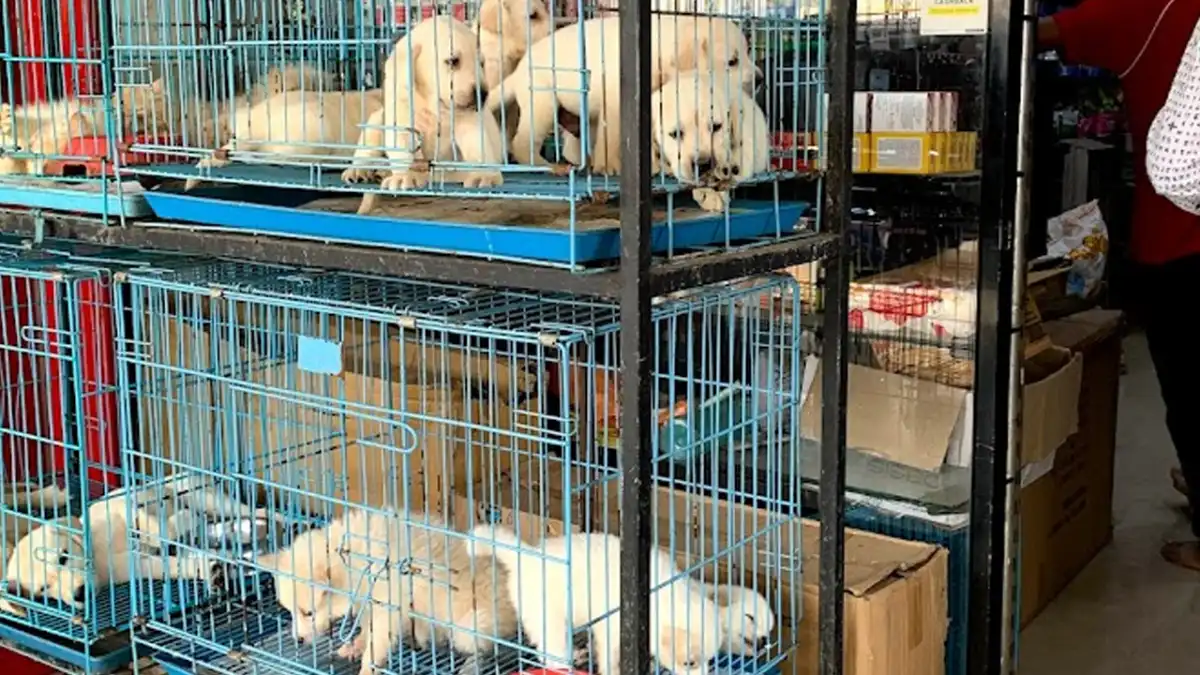
Growing concerns are being raised over the treatment of animals in several pet shops across Guwahati, with residents and animal welfare activists alleging cruel conditions, inadequate care, and violations of animal welfare laws. The issue has come into focus following complaints from multiple localities, including Rajgarh, Zoo Road, Beltola, and Hatigaon.
Residents allege that animals are often kept in small, poorly ventilated cages, without adequate food, clean water, or medical attention, raising questions about compliance with existing regulations meant to protect animal welfare.
Pet shops in Guwahati are facing criticism after residents and animal welfare activists alleged cruelty, poor living conditions, and illegal practices. Complaints from areas like Rajgarh and Zoo Road claim animals are kept in cramped cages without proper care. Activists say mandatory inspections under animal welfare laws must be strictly enforced.
Residents describe disturbing conditions
Locals who have visited pet shops in their neighbourhoods say the conditions inside many outlets are troubling. A resident of Rajgarh, speaking on condition of anonymity, said animals are being treated as commodities rather than living beings.
“Puppies and kittens are packed inside small cages, birds are kept without proper ventilation, and there is a strong smell of waste inside these shops. Anyone who loves animals will feel disturbed after seeing this,” the resident said.
Similar concerns have been voiced by residents in other parts of Guwahati, who allege that profit is being prioritised over animal well-being.
Activists cite legal requirements
Animal welfare activists point out that India has clear laws regulating pet shops, including the Prevention of Cruelty to Animals (Pet Shop) Rules, 2018, which mandate humane treatment and regular inspections.
Speaking to local media, Nandini Baruah, founder of PURR PAWS Foundation, said inspections are not optional but legally required.
“All registered pet shops must undergo mandatory inspection at least once every year. This is clearly stated under the Pet Shop Rules, 2018,” she said.
Inspection process and enforcement
According to Baruah, inspections are designed to ensure that animals are not subjected to physical or psychological harm. She explained that an inspection team typically includes:
- An authorised representative of the State Animal Welfare Board
- A veterinary practitioner
- A representative from the Society for the Prevention of Cruelty to Animals (SPCA)
She added that denial of access to inspectors can result in immediate cancellation of a shop’s registration under the rules.
Allegations of illegal breeding
Activists also allege that some pet shops may be involved in illegal breeding or sourcing of animals, a concern that has been raised repeatedly in urban centres. However, no official confirmation has been issued regarding specific cases in Guwahati at the time of filing this report.
Why this matters
With Guwahati witnessing a rise in pet ownership, animal welfare groups say strong enforcement of existing laws is essential to prevent cruelty and illegal trade. The allegations highlight the need for regular inspections, transparent licensing, and public awareness about ethical pet ownership.
What happens next
Activists have urged local authorities and animal welfare boards to conduct city-wide inspections and take action against violators. Residents are also being encouraged to report suspected cases of cruelty to the appropriate authorities.
No official statement has yet been issued by civic or animal husbandry authorities in response to the complaints.
Frequently Asked Questions
Residents from Rajgarh, Zoo Road, Beltola, and Hatigaon have raised concerns over pet shop conditions.
Pet shops are regulated under the Prevention of Cruelty to Animals (Pet Shop) Rules, 2018, which mandate humane treatment and annual inspections.