
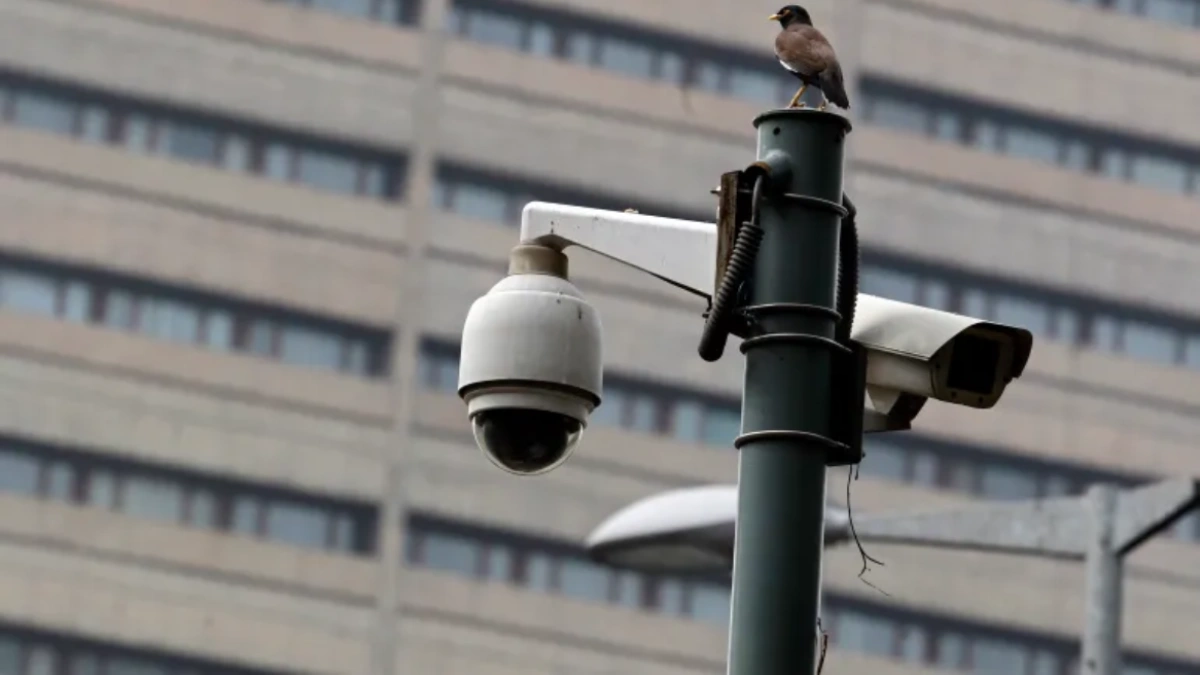
The Guwahati Smart City Limited has begun using advanced surveillance technology to identify and monitor stray animals across public spaces in Guwahati. The move is part of a broader effort to reduce animal-related road hazards and manage human–animal conflict in busy urban zones.
According to GSCL officials, around 100 infrared and PTZ (pan-tilt-zoom) cameras have been installed in identified hotspots, following directives from the Supreme Court of India to clear stray animals from urban areas in the interest of public safety.
Guwahati Smart City Limited has installed around 100 infrared and PTZ cameras across key city areas to track stray animals and reduce road accidents. The initiative, implemented under the city’s Intelligent City Surveillance System, aims to improve public safety and manage human–animal conflict on busy Guwahati roads.
Locations Covered in Guwahati
The newly installed cameras are concentrated in areas that frequently report the presence of stray cattle and dogs, including:
- Pamohi
- Kahilipara
- Nilachal Hills
These locations were identified based on traffic movement, past incidents, and visibility constraints, particularly during early morning and night hours.
Part of the Intelligent City Surveillance System
GSCL officials said the initiative is integrated into Guwahati’s existing Intelligent City Surveillance System (ICSS). The system already includes:
- Over 2,000 CCTV cameras across the city
- An Integrated Command and Control Centre at Khanapara
- Emergency call boxes and public announcement systems
The animal-tracking cameras feed real-time data to the control centre, allowing authorities to respond faster to situations that may disrupt traffic or pose safety risks.
Objective: Road Safety and Conflict Reduction
City officials clarified that the primary aim is to prevent accidents caused by stray cattle and dogs on major roads. Infrared capability allows monitoring even in low visibility conditions, while PTZ cameras help operators zoom in and track animal movement over wider stretches.
Urban planners note that Guwahati’s expanding road network and increased vehicle density have made unmanaged stray animals a growing safety concern.
Need for On-Ground Measures
Experts have cautioned that surveillance alone will not fully resolve the issue. They emphasised the need for coordinated on-ground actions such as:
- Animal care and veterinary support
- Relocation or shelter facilities
- Coordination with civic and animal welfare bodies
Without these measures, technology-driven monitoring may have a limited long-term impact.
Why This Matters for Guwahati
Stray animals have been a recurring cause of traffic disruptions and accidents in Guwahati. By using targeted surveillance, city authorities aim to proactively manage risks rather than responding only after incidents occur. The initiative reflects Guwahati’s increasing reliance on smart-city tools for urban governance.
What Happens Next
GSCL is expected to review data from the cameras to refine response protocols and identify additional hotspots if required. Further coordination with civic agencies is likely to determine follow-up actions for animal management.
Frequently Asked Questions
Q1. Why has Guwahati installed infrared cameras for stray animals?
The cameras are intended to identify and track stray animals to reduce road accidents and improve public safety.
Q2. Which areas of Guwahati are covered under this initiative?
Initial coverage includes Pamohi, Kahilipara, and Nilachal Hills, with monitoring linked to the city’s central control system.