
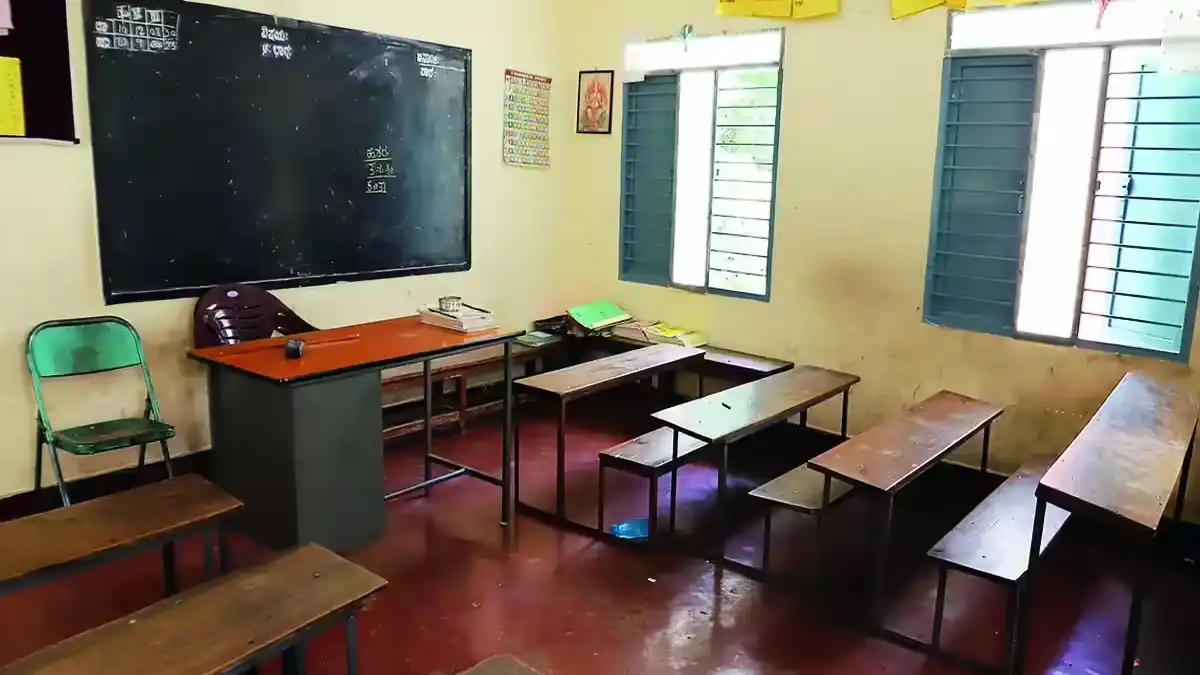
Approved in 2020 as a sweeping reset of India’s education system, the National Education Policy (NEP) promised equity, flexibility, and better learning outcomes. Five years on, educators and administrators in Guwahati say the policy’s impact on everyday schooling remains shallow, uneven, and, in many cases, confusing.
While frameworks have changed on paper, the classroom reality across Guwahati’s schools and colleges tells a different story, one marked by unclear transitions, staff shortages, and systems still adjusting to reform without adequate ground support.
Five years after NEP 2020, educators in Guwahati say the policy’s implementation remains uneven and confusing. While reforms promised flexibility and better learning outcomes, gaps in training, infrastructure, and clarity have left many changes confined to paperwork, with limited impact on classrooms and student learning.
Early Education: Promise vs Practice
NEP placed strong emphasis on early childhood education through better Anganwadi–school integration and trained educators. In Guwahati, however, teachers say foundational learning reforms largely exist on paper.
Several government schools continue to operate without adequate infrastructure upgrades or specialised training for early-grade teachers. Educationists point out that without consistent investment, foundational learning remains dependent on individual schools rather than system-wide reform.
Mother-Tongue Instruction Faces Resistance
NEP’s push for mother-tongue instruction in early years was meant to improve comprehension. In Guwahati’s mixed-language urban classrooms, implementation has proven complex.
School principals cite shortages of trained teachers, parental resistance, and concerns that local-language instruction may disadvantage students in competitive academic environments. As a result, many schools have retained older language practices, creating policy ambiguity.
School-Level Rollout Lacks Clarity
Administrators across Guwahati report confusion over curriculum design, assessment patterns, and teacher organisation under NEP. While the policy promised smoother transitions from the old system, many schools say guidelines remain open to interpretation.
This has led to uneven implementation, with some institutions experimenting cautiously while others wait for clearer directives from higher authorities.
Four-Year Undergraduate Programme Pressures Students
At the college level, the Four-Year Undergraduate Programme (FYUP) was introduced to offer flexibility and multiple exit options. In Guwahati’s colleges, students report repeated coursework, unclear degree pathways, and heavier academic pressure.
Faculty members say frequent structural changes have outpaced teacher training, leaving both educators and students navigating reforms in real time.
Decision-Making Seen as Top-Down
One of NEP’s core promises was participatory reform. Teachers in Guwahati say major decisions are often announced with limited consultation, driven more by timelines than institutional readiness.
Several educators noted that feedback from classrooms rarely informs implementation, weakening trust in the reform process.
CUET and Access Concerns
The Common University Entrance Test (CUET) was designed as a standardised gateway. In practice, Guwahati-based teachers say disparities in coaching access and digital infrastructure have created new barriers.
Students from weaker economic backgrounds often struggle with preparation and online processes, raising concerns about equity in admissions.
Rising Dropout Worries
Faculty members also warn of a gradual rise in student dropouts, especially among those confused by FYUP requirements or struggling academically. While official data is still evolving, teachers say the trend is visible on campuses.
Why This Matters for Guwahati
As Assam’s education hub, Guwahati sets the tone for policy execution across the state. When reforms remain unclear here, their impact weakens elsewhere. Educators stress that without focused training, infrastructure investment, and clear communication, NEP risks becoming a compliance exercise rather than a transformation.
What Needs Attention Next
Five years after its launch, educators say NEP needs course correction, less policy churn, and more groundwork. Winter workshops, stable guidelines, and classroom-level feedback are being cited as immediate priorities if the reforms are to move beyond files and circulars.
Frequently Asked Questions
Q1. Has NEP 2020 improved education outcomes in Guwahati?
Educators say improvements remain limited, with most changes confined to administrative frameworks rather than classroom outcomes.
Q2. What is the biggest challenge in NEP implementation locally?
Lack of clarity, insufficient teacher training, and uneven infrastructure support are cited as the main obstacles.