
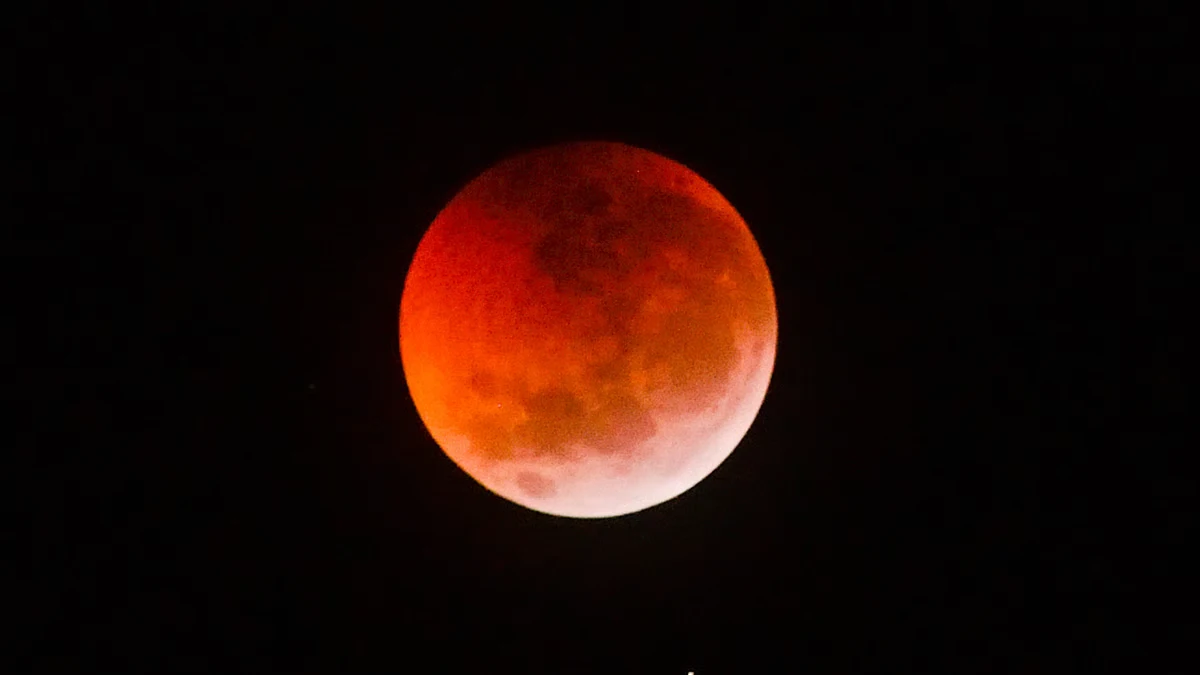
As Guwahati prepares to celebrate Holi and Dol Jatra, this year’s festival carries an added astronomical significance. Holi 2026 will coincide with a lunar eclipse, also known as Chandra Grahan, making it a rare overlap of cultural celebration and celestial event.
Holi is observed on Phalguna Purnima, the full moon day of the Hindu month of Phalguna. Since lunar eclipses occur only on full moon nights, the alignment has drawn attention among residents, temple authorities, and astrology enthusiasts across the city.
Holi 2026 in Guwahati will coincide with a lunar eclipse (Chandra Grahan), as the festival falls on Phalguna Purnima, a full moon day. Temples may observe customary precautions during eclipse hours, and Holika Dahan timings may be adjusted according to locally determined muhurat.
Astronomical Overlap With Cultural Festival
A lunar eclipse occurs when the Earth comes between the Sun and the Moon, casting a shadow over the Moon.
This year, as Holi falls on a full moon, the eclipse coincides with the festival, creating what many consider a rare celestial alignment.
In Guwahati, astronomy enthusiasts are closely watching the event, while religious communities are preparing to observe traditional practices associated with Grahan.
Religious Observances in Guwahati
In Hindu belief systems, a lunar eclipse is considered spiritually sensitive.
The Moon is associated with the mind and emotions, and many devotees are advised to observe certain precautions during the eclipse period.
In Guwahati, temples may:
- Temporarily close during eclipse hours
- Resume rituals after purification practices
- Adjust Holika Dahan timing as per the muhurat
Temple committees in areas like Uzan Bazar, Panbazar, and other localities are expected to follow locally determined auspicious timings.
Holika Dahan and Muhurat
Holika Dahan, the ceremonial bonfire held on the eve of Rangwali Holi, may be scheduled either before or after the eclipse, depending on the officially determined muhurat.
Priests and religious experts typically issue timing guidelines based on traditional calendars.
Residents are advised to follow announcements from local temples regarding ritual timings.
Suggested Precautions During Grahan
Some religious scholars and astrologers have shared general dos and don’ts during the Grahan period.
Commonly suggested practices include:
- Engaging in naam japa or prayer
- Meditation for mental calmness
- Avoiding unnecessary outdoor exposure during peak eclipse hours
- Performing post-eclipse cleansing rituals
These practices vary by individual belief and community tradition.
What This Means for Guwahati Celebrations
Despite the eclipse, Holi celebrations across Guwahati are expected to continue with customary enthusiasm.
Dol Jatra processions, temple events, and community gatherings will proceed in accordance with adjusted timings where necessary.
The overlap of Holi and Chandra Grahan adds both astronomical interest and spiritual reflection to this year’s festivities.
What Happens Next?
Residents are advised to check local temple notices for Holika Dahan timings and Grahan-related guidelines.
Astronomy enthusiasts may also monitor visibility updates for Guwahati based on moonrise conditions.
Frequently Asked Questions
Will the lunar eclipse affect Holi celebrations in Guwahati?
Holi celebrations will continue, but temple rituals and Holika Dahan timings may be adjusted according to the eclipse muhurat.
Is it safe to view the lunar eclipse?
Yes. A lunar eclipse is safe to observe with the naked eye and does not require protective equipment.