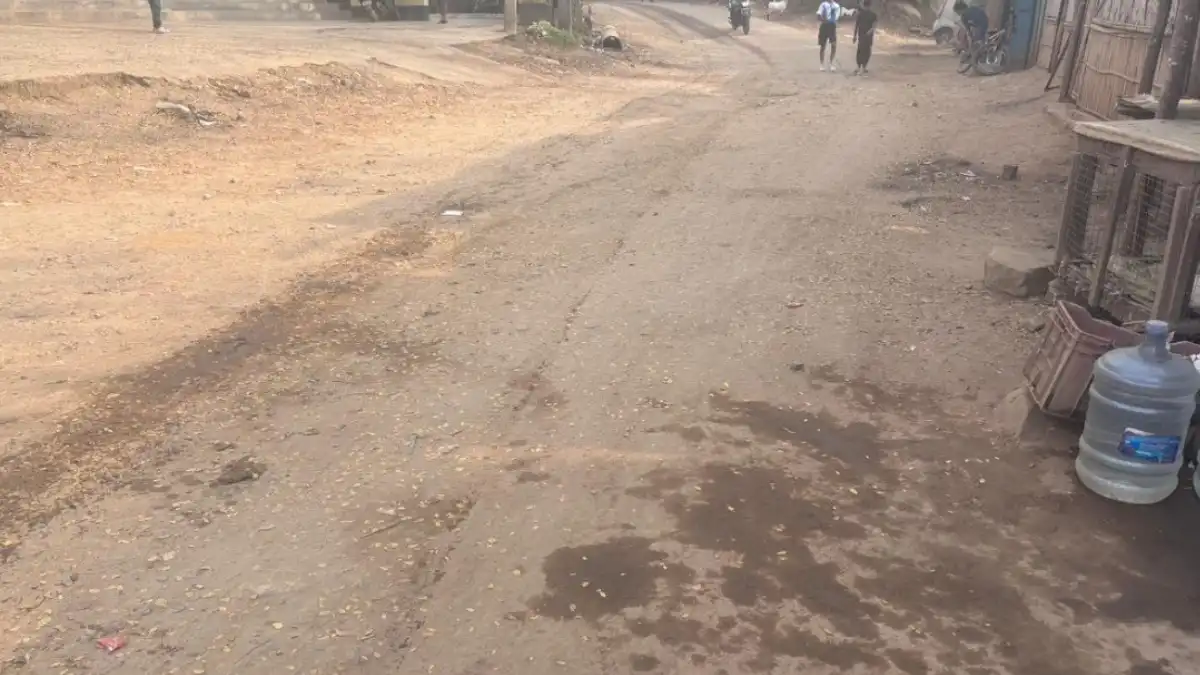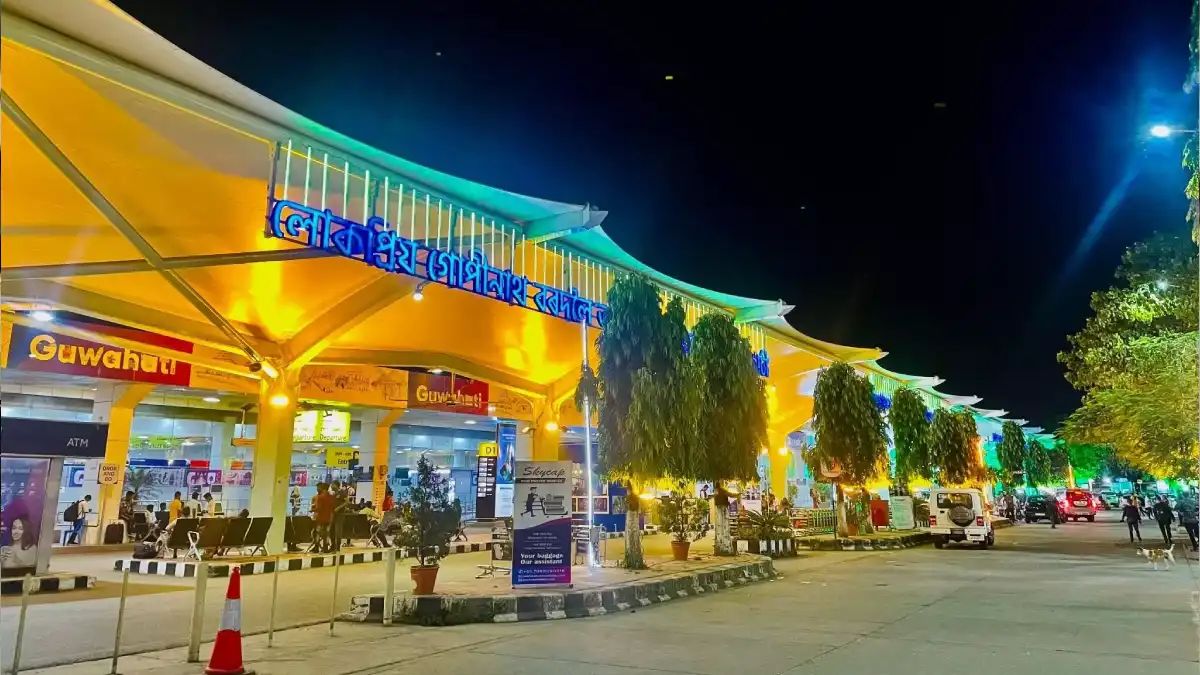
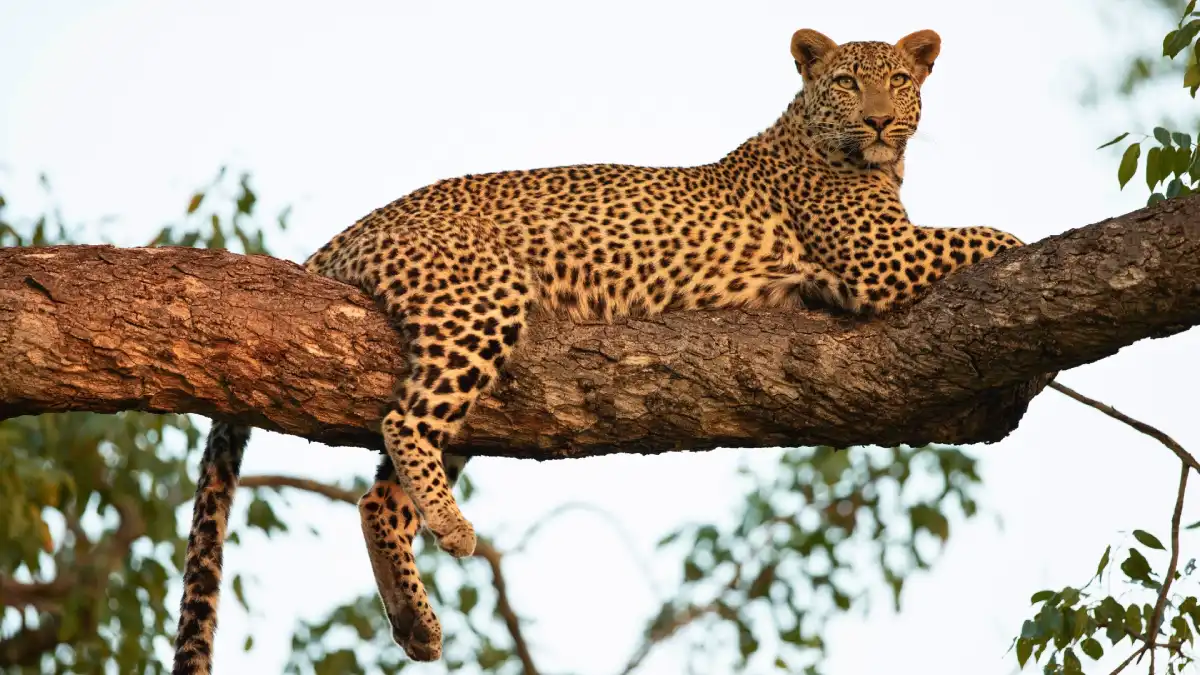
Guwahati has recorded a noticeable rise in leopard sightings between 2025 and early 2026, particularly in residential areas bordering forested hills such as Pandu, Maligaon, and Shantipur.
Forest officials have confirmed multiple rescue and tranquilisation operations in recent months. While no major injuries have been reported, the growing frequency of encounters has intensified concerns about human–wildlife conflict in the city.
Leopard sightings have increased in Guwahati’s hill-fringe localities, including Pandu and Maligaon, during 2025–26. Forest officials attribute the rise to urban expansion near Garbhanga and Amchang Wildlife Sanctuaries, habitat fragmentation, and availability of prey such as stray dogs. Authorities are urging residents to report sightings and avoid confrontation.
Recent Incidents In Pandu And Maligaon
In early 2026, a leopard reportedly entered residential lanes in Pandu and was later found trapped in a drain behind a house before being rescued by forest officials.
Around the same period, another leopard in the Pandu–Maligaon area was tranquilised and relocated to a suitable forest habitat.
These operations were conducted without reported civilian casualties. However, repeated winter sightings have heightened anxiety among residents living along forest edges.
Why Is This Happening?
Wildlife experts point to three primary factors:
1. Urban Expansion Into Forested Hills
Guwahati’s rapid growth has pushed construction closer to ecologically sensitive areas such as:
- Garbhanga Wildlife Sanctuary
- Amchang Wildlife Sanctuary
These areas are known habitats for leopards and other wildlife. As residential and commercial development extends into hill slopes and buffer zones, natural movement corridors shrink.
This forces animals to cross human settlements while navigating fragmented habitats.
2. Easy Access To Prey
Leopards are highly adaptable predators.
Wildlife officials note that urban leopards are often drawn to:
- Stray dogs
- Small livestock
- Waste accumulation zones
Unmanaged garbage and open dumping create feeding grounds for stray animals, which in turn attract predators.
3. Seasonal Movement Patterns
Winter months often see increased wildlife movement as animals explore new territories or follow prey patterns.
Reduced foliage in some areas may also make sightings more visible to residents.
Why Guwahati Is Particularly Vulnerable
Unlike many cities, Guwahati is geographically enclosed by hills and forested terrain.
Neighbourhoods such as Pandu, Maligaon, Jalukbari, Shantipur and parts of Noonmati lie directly along forest fringes. As infrastructure projects, housing clusters and roads expand, buffer zones become thinner.
Environmental planners warn that without clear demarcation of wildlife corridors, encounters may continue.
What Authorities Are Advising
Forest officials have issued precautionary guidelines:
- Do not attempt to chase or corner a leopard
- Inform forest authorities immediately upon sighting
- Avoid crowd formation at sighting locations
- Keep children and pets indoors in affected areas
- Ensure waste disposal areas are secured
Officials emphasise that panic responses often increase risk.
The Larger Human–Wildlife Conflict Question
Conservationists argue that long-term solutions require:
- Protection of the remaining forest cover
- Identification and preservation of wildlife corridors
- Improved waste management
- Public awareness campaigns in fringe areas
As Guwahati continues to expand, balancing urban growth with ecological sensitivity remains a central challenge.
What Happens Next?
Forest teams are monitoring sensitive zones and remain on alert for further sightings.
Experts caution that leopard presence in fringe localities may not decline unless habitat fragmentation and urban planning concerns are addressed.
For residents in Pandu, Maligaon, and adjoining areas, vigilance combined with responsible reporting remains the immediate safeguard.
Frequently Asked Questions
Why are leopards entering Guwahati residential areas?
Leopards are entering residential areas due to habitat fragmentation, urban expansion near wildlife sanctuaries, and the availability of prey such as stray dogs.
Are leopard sightings common in Guwahati?
Sightings have increased in 2025–26, particularly in hill-fringe areas like Pandu and Maligaon.
What should residents do if they see a leopard?
Residents should avoid confrontation, keep a safe distance, and immediately inform forest officials.