Guwahati: With Assam preparing for the 2026 Assembly elections, a basic democratic question—which constituency do you belong to remains unanswered for many voters in the city. Nearly two years after the 2023 delimitation exercise, hundreds of residents across Guwahati say they are still unclear about their current Assembly constituency.
A ground-level survey across multiple localities indicates that voter awareness about revised constituency boundaries remains low, raising concerns over preparedness ahead of the next election cycle.
Many voters in Guwahati remain unaware of their Assembly constituency following Assam’s 2023 delimitation exercise. Residents across several localities say they were not informed about boundary changes, creating confusion ahead of the 2026 Assembly elections and highlighting gaps in voter awareness and outreach.
Delimitation Aftermath Still Felt in the City
The 2023 delimitation exercise redrew several Assembly constituency boundaries across Assam, including in the rapidly expanding urban areas of Guwahati. However, interactions with voters suggest that the changes have not been adequately communicated at the grassroots level.
From Bormotoria to Gandhibasti, voters describe uncertainty and a feeling of being left out of the process. Many residents say they continue to associate themselves with their earlier constituencies, unaware that administrative boundaries have shifted.
Elderly and Long-Time Voters Affected
The confusion is not limited to first-time voters. Elderly residents who have participated in multiple elections say they are unsure where they now fall within the new Assembly map.
In Ananda Nagar, Bormotoria, several households admitted they have not received any official communication regarding the change. A local resident said that while they earlier voted under the Dispur constituency, they are now uncertain about their present Assembly segment and who to approach for clarification.
Lack of Local-Level Communication
Residents across surveyed areas point to a lack of ward-level meetings, public notices, or door-to-door awareness drives explaining the revised boundaries. Many said they only learned about the delimitation through media reports, without any follow-up information relevant to their own locality.
Some voters expressed concern that this confusion could affect voter turnout or lead to errors on polling day if people arrive at the wrong booths or remain unsure about their representatives.
Why This Matters Ahead of 2026 Elections
Clear constituency identification is essential for voter participation, candidate accountability, and effective campaigning. Without awareness of constituency boundaries, voters may struggle to engage with their elected representatives or assess local issues during elections.
As Guwahati continues to grow and urban boundaries evolve, civic awareness becomes increasingly critical to ensure that democratic processes function smoothly in the city.
What Could Happen Next
With the 2026 Assembly elections approaching, election authorities and local administrative bodies may need to intensify voter education efforts. Clear communication through voter lists, digital platforms, and locality-level outreach could help bridge the awareness gap before polling begins.
For now, many Guwahati voters say they are still waiting for clarity on a question fundamental to their right to vote.
Frequently Asked Questions
Why did Assembly constituencies change in Guwahati?
The changes were part of Assam’s 2023 delimitation exercise, which redrew constituency boundaries based on population data and administrative considerations.
How can voters check their current Assembly constituency?
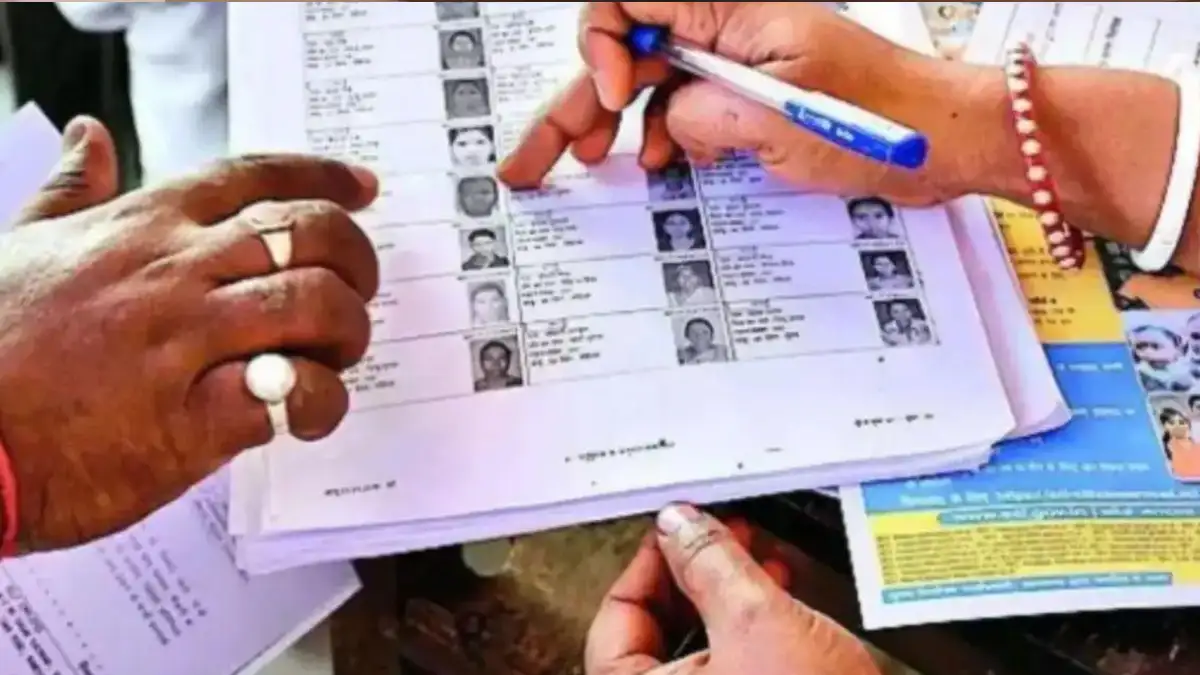
Voters can verify their constituency details through official election portals, updated voter lists, or by contacting local election offices and booth-level officers.