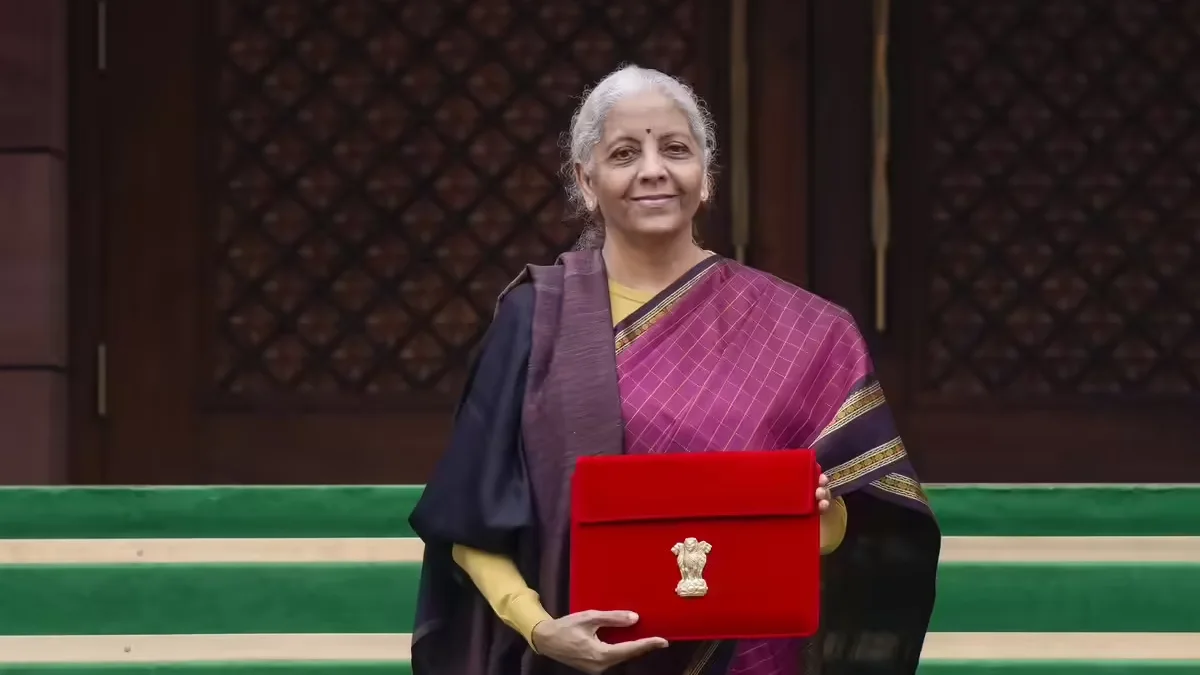
From Guwahati, Assam’s primary education and administrative hub, the Union Budget 2026–27 has brought announcements that directly touch the city’s large student population. Presenting the Budget on Sunday, February 1, Union Finance Minister Nirmala Sitharaman announced the creation of five University Townships across India and the establishment of one girls’ hostel in every district.
For Guwahati, home to multiple higher education institutions and thousands of outstation students, the proposals are being seen as potential long-term interventions in accommodation shortages, campus overcrowding and the education-to-employment gap.
Union Budget 2026–27 has announced five University Townships and a girls’ hostel in every district. From a Guwahati perspective, the move could ease accommodation pressure, improve safety for women students and strengthen links between higher education, skills and employment in Assam’s main education hub.
Why the Announcements Matter in Guwahati
Guwahati attracts students from across Assam and the Northeast due to its concentration of universities, colleges and professional institutions. However, the city also faces:
- Chronic hostel shortages
- High private rental costs
- Safety and accessibility concerns for women students
Budget announcements focused on education infrastructure and student welfare are therefore being closely tracked by academic circles in the city.
University Townships: A New Education Model
The proposed University Townships will be developed along industrial and logistics corridors, in partnership with states, through a challenge-based model.
According to the Budget, each township will function as an integrated academic ecosystem, housing:
- Universities and colleges
- Research institutions
- Skill development centres
- Student and faculty residences
Education planners in Guwahati say such hubs, if implemented effectively, could reduce over-dependence on a few urban centres and create job-linked education clusters.
Girls’ Hostels in Every District
One of the most immediately relevant announcements for Assam is the proposal to set up one girls’ hostel in every district, supported through viability gap funding (VGF) or capital assistance.
In Guwahati, where many women students currently rely on private hostels or rented accommodation, the move is expected to:
- Improve safety and affordability
- Support students in STEM and professional courses with longer academic hours
- Reduce dropout rates linked to accommodation constraints
Student groups in the city have long flagged the lack of secure, affordable housing as a barrier to higher education for women.
Linking Education to Employment
Beyond physical infrastructure, the Budget announced the creation of a high-powered ‘Education to Employment and Enterprise’ Standing Committee.
The committee will:
- Examine emerging job opportunities
- Assess the impact of technologies like artificial intelligence on skills
- Recommend ways to position the services sector as a growth engine under the Viksit Bharat vision
From Guwahati’s standpoint, this is significant as the city increasingly positions itself as a services, education and skill-development centre for the Northeast.
What Guwahati Institutions Are Watching Next
While the announcements have been welcomed, education stakeholders in Guwahati say the real impact will depend on:
- How many projects reach Assam
- Speed of implementation
- Coordination between the Centre and the state
There is also interest in whether Guwahati-based institutions could play a role in future university township proposals or benefit indirectly through improved student mobility and skilling pathways.
What Happens Next
Detailed guidelines for the University Townships, district-level girls’ hostels and the standing committee are expected to be issued in the coming months.
For Guwahati’s students, parents and institutions, attention will now shift from Budget intent to on-ground execution.
Frequently Asked Questions
Q1. What did Budget 2026–27 announce for higher education?
It announced five University Townships across India and one girls’ hostel in every district to support women students.
Q2. Why is this important for Guwahati?
Guwahati hosts a large student population and faces accommodation and safety challenges, especially for women pursuing higher education.