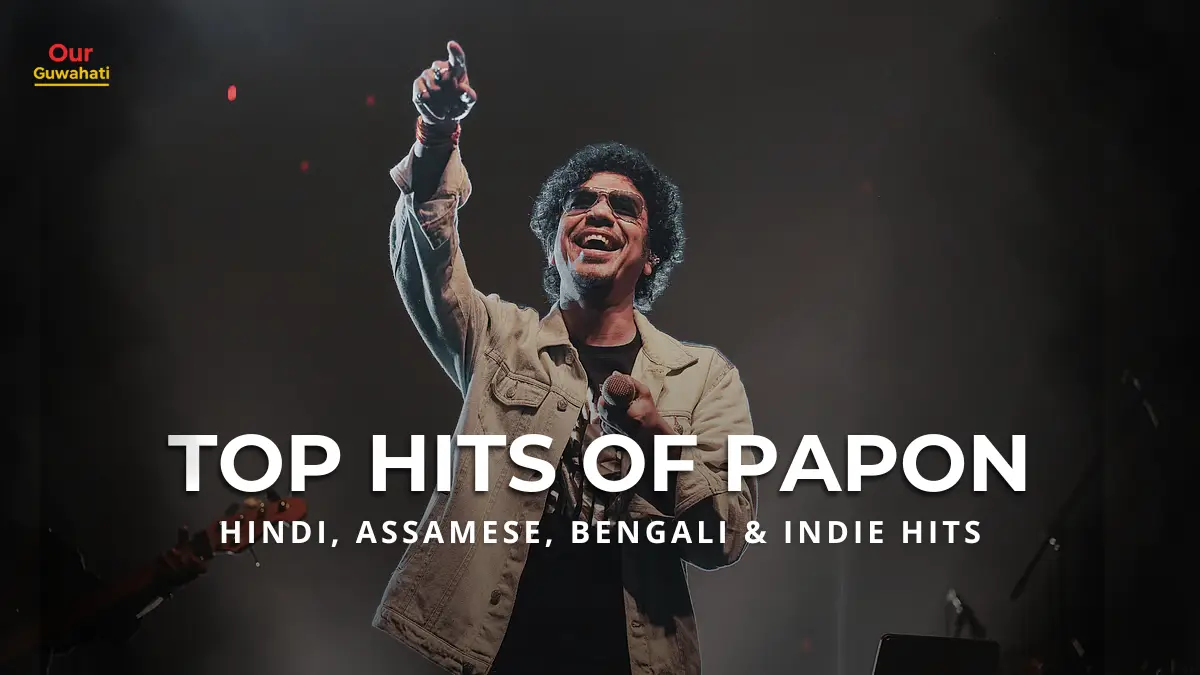
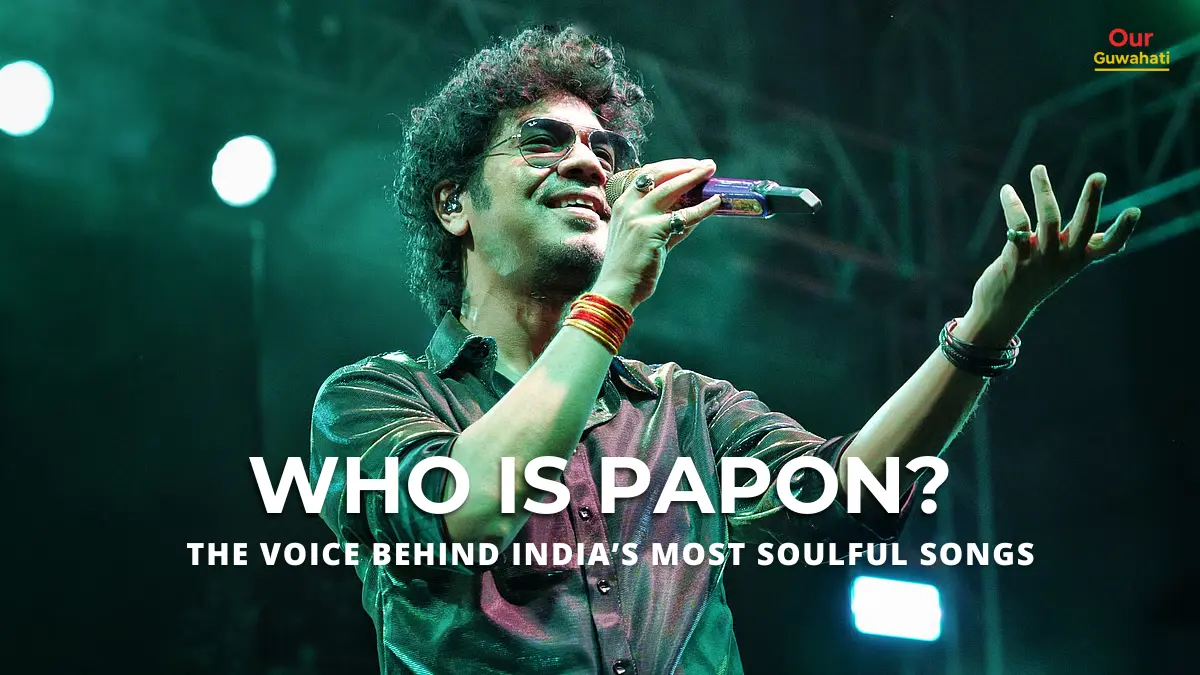
“Who is Papon?” is a question many music lovers ask when they first encounter the soulful, husky voice behind some of India’s most emotionally resonant songs. Born as Angaraag Mahanta on 24 November 1975 in Guwahati, Assam, Papon is a celebrated Indian playback singer, composer, and performer who bridges Assamese folk traditions with modern Bollywood and indie music. Trained amid a rich cultural lineage yet influenced by global sounds, his journey from architecture studies to a nationally loved musical identity defines a rare blend of roots and reinvention.
The Mahanta Legacy: Parents, Family & Early Influences
Papon’s musical sensibility did not emerge in isolation; it was shaped inside a household where music was not a profession but a living, breathing culture. Born into the legendary Mahanta family of Assam, Papon grew up surrounded by folk rehearsals, cultural gatherings, and constant experimentation with sound. This early exposure played a crucial role in forming his instinctive understanding of melody, rhythm, and emotional expression. To truly understand who Papon is today, it’s essential to look at the family foundation that shaped his artistic worldview.
Parents, Wife & Children: Family Background at a Glance
| Family Member | Name | Known For / Details |
|---|---|---|
| Father | Khagen Mahanta | Iconic Assamese folk singer, popularly known as the Bihu Samrat |
| Mother | Archana Mahanta | Renowned Assamese folk singer and performer |
| Wife | Shweta Mishra Mahanta | Environmental activist; founder of Earthful Foundation |
| Children | Puhor Mahanta, Parijaat Mahanta | Children of Papon; largely kept away from the public spotlight |
A Childhood Inside Assam’s Musical Core
Papon’s father, Khagen Mahanta, was one of the most influential figures in Assamese folk music, especially known for popularising Bihu songs across Assam and beyond. His mother, Archana Mahanta, was equally respected for her contributions to Assamese cultural music. Together, they transformed their home into what Papon has often described as a “musical laboratory,” where folk traditions, classical influences, and modern sounds coexisted.
Growing up in this environment meant that music was never forced upon Papon—it was absorbed naturally. Rehearsals, recording sessions, and discussions about rhythm and lyrics were part of everyday life. This upbringing explains why Papon’s music, even today, carries an organic, rooted quality rather than a manufactured commercial sound.
Personal Life: Balance Beyond the Spotlight
In his personal life, Papon is married to Shweta Mishra Mahanta, an environmental activist and the founder of the Earthful Foundation. Unlike many celebrity spouses, she maintains a low public profile, focusing on sustainability, ecological conservation, and community-driven environmental initiatives. Their relationship reflects a shared inclination toward conscious living rather than celebrity culture.
Papon is also a father to two children, Puhor and Parijaat, whom he deliberately keeps away from excessive media attention. This choice aligns with his overall lifestyle philosophy—grounded, private, and rooted in values rather than visibility.
| Also Read |
|---|
| Papon Songs List: Complete Hindi, Assamese, Bengali & Indie Hits |
| Papon Best Songs List: Top Hindi, Assamese, Bengali & Indie Tracks |
Music Style & Sonic Identity: What Makes Papon’s Voice Unique
To truly understand “Who is Papon” beyond biographical facts, one has to listen closely to his sound. Papon’s music stands apart in the Indian music landscape because it does not chase trends; it builds atmosphere, emotion, and cultural memory. As Angaraag Mahanta, his sonic identity is shaped by a rare combination of Assamese folk roots, global rock influences, and a deep respect for lyrical storytelling.
At the core of his style is his distinct baritone voice, husky, textured, and emotionally restrained. Unlike many playback singers who rely on vocal acrobatics, Papon’s strength lies in control and nuance. His voice often sounds lived-in, as if it carries experience rather than performance. This quality makes his songs feel personal, even when they are part of large commercial films.
Folk at the Core, Modern in Expression
Folk music is not an aesthetic choice for Papon; it is his foundation. Growing up in Assam, surrounded by Bihu, Goalpariya folk, and traditional Assamese melodies, he absorbed rhythm and phrasing organically. These influences surface subtly in his work, through melodic structures, rhythmic patterns, or emotional pacing, rather than as overt folk replication.
What makes his approach unique is how seamlessly he blends this folk sensibility with modern arrangements. Whether it’s a Bollywood ballad, an indie track, or a Coke Studio performance, there is always a sense of earthiness beneath the polish. This is why listeners often describe his music as “grounded” or “honest,” regardless of language or genre.
From Indie to Bollywood: Adaptability Without Compromise
Papon belongs to a rare category of artists who have moved fluidly between independent music and mainstream cinema without losing their identity. As someone often searched as ‘who is Papon singer’ or ‘who is Papon indian singer‘, his answer lies in this adaptability. In Bollywood, he adjusts to cinematic narratives while still retaining his emotional restraint. In independent music, he allows himself more space—longer compositions, experimental sounds, and introspective themes.
His background as a multi-instrumentalist further strengthens this adaptability. Familiar with guitars, percussion, and arrangement, Papon understands songs as complete compositions rather than just vocal performances. This holistic understanding is evident in how naturally his voice sits within a track, never overpowering the music but never disappearing either.
Emotion Before Performance
Perhaps the most defining aspect of Papon’s musical style is his prioritisation of emotion over spectacle. His songs rarely feel performative; instead, they feel conversational, reflective, and deeply human. This is one of the reasons his music resonates strongly across age groups and regions, from Assamese folk listeners to urban Bollywood audiences.
In essence, Papon’s sonic identity is built on restraint, authenticity, and cultural continuity. It explains why his music ages well, why his songs are revisited years later, and why his voice is instantly recognisable even without credits.
Papon and The East India Company: Building an Indie-Folk Movement
Papon’s artistic journey took a defining turn with the formation of The East India Company, a project that allowed him to step beyond playback singing and shape a distinct indie-folk movement in India. Founded in 2007 in Delhi, the band became a creative home where Assamese folk sensibilities, ambient rock textures, and contemporary songwriting could coexist without commercial constraints. This phase is crucial to understanding who Papon is as an artist—not just a singer, but a composer, arranger, and bandleader.
Formation, Members & Creative Philosophy
The East India Company (often shortened to EIC) was formed with the intent to create original music rooted in Indian folk while speaking a modern musical language. Papon fronted the band as lead vocalist and principal composer, collaborating with musicians who shared a similar appetite for experimentation and restraint. The group’s philosophy emphasized atmosphere over spectacle, long-form compositions, acoustic layering, and lyrics that felt personal rather than performative.
While the lineup evolved, the core identity remained intact: folk at heart, indie in expression. This approach helped EIC carve a niche at a time when India’s independent music scene was still emerging.
Major Performances & Cultural Reach
EIC’s live performances played a major role in expanding Papon’s audience beyond film listeners. The band became a staple at prominent festivals and international showcases, including NH7 Weekender, SAARC cultural events, and concerts across Dubai and Southeast Asia. These performances showcased how Assamese-influenced melodies could resonate with diverse audiences when presented with thoughtful arrangements and emotional clarity.
Live sets often featured extended versions of songs, improvisations, and intimate storytelling, elements that strengthened Papon’s reputation as a compelling live performer.
Key Album: The Story So Far
The band’s landmark album, The Story So Far, stands as one of the most important indie releases associated with Papon. The album blended ambient soundscapes with folk-inflected melodies and introspective lyrics, producing tracks that later became fan favourites and concert staples. Songs from this project helped define the “EIC sound” and laid the groundwork for Papon’s later success in both indie and Bollywood spaces.
Importantly, this phase also influenced how he approached film music—bringing restraint, texture, and emotional pacing into mainstream compositions.
Why The East India Company Matters
The East India Company wasn’t just a band; it was a creative incubator that shaped Papon’s long-term artistic identity. It explains why his Bollywood songs often feel grounded, why his independent releases carry depth, and why his music consistently avoids formulaic patterns. To understand ‘who is Papon da’ to many fans, EIC represents the period where his music felt most personal, experimental, and uncompromising.
Career Highlights & Songography: Tracing Papon’s Musical Journey
Papon’s career is best understood through the diversity of his songs rather than a single breakthrough moment. Over the years, he has built a body of work that spans mainstream Hindi cinema, deeply rooted Assamese compositions, selective Bengali projects, and a strong catalogue of independent music. This section maps out those highlights to explain ‘who is papon indian singer’ in a practical, listener-facing sense, through the music that defined each phase of his journey.
Hindi Film Songs: Mainstream Recognition Without Losing Identity
Papon’s Hindi film songs brought him national recognition, but what set him apart was his refusal to abandon emotional restraint for scale. His Bollywood debut phase established him as a singer who could convey vulnerability, longing, and quiet intensity, qualities that quickly made his voice distinctive.
Songs like Jiyein Kyun introduced him to a wide audience, while Moh Moh Ke Dhaage cemented his place as a dependable voice for narrative-driven cinema. Over time, his Hindi repertoire expanded to include romantic ballads, introspective themes, and occasional experimental tracks, forming a well-rounded Papon Hindi song list that continues to age gracefully rather than feel dated.
| Song Title | Film / Album | Why It Stands Out |
|---|---|---|
| Moh Moh Ke Dhaage | Dum Laga Ke Haisha | Career-defining song; National Award–winning, timeless romance |
| Jiyein Kyun | Dum Maaro Dum | Breakthrough Bollywood hit; deeply introspective |
| Bulleya | Sultan | Intense, powerful vocals; showcased vocal range |
| Humnava | Hamari Adhuri Kahani | Soft romantic ballad with emotional depth |
| Tu Jo Mila (Reprise) | Bajrangi Bhaijaan | Gentle reinterpretation; huge replay value |
| Kaun Mera | Special 26 | Minimalist, poetic heartbreak |
| Sun Le Re | Madras Cafe | Serious, haunting tone; narrative-driven |
| Labon Ka Karobaar | Befikre | Experimental, playful, urban vibe |
Assamese Songs: Cultural Roots and Artistic Continuity
Even as his Bollywood presence grew, Papon never distanced himself from Assamese music. His regional songs are not side projects; they are central to his identity. Assamese compositions allow him to work with folk structures, regional poetry, and melodies that feel instinctive rather than composed.
From early folk-inspired tracks to contemporary Assamese originals, this segment of his work explains why many still refer to him affectionately as who is papon da within the Assamese cultural space. Any serious Papon Assamese Song collection reflects his commitment to keeping regional music alive and evolving, not frozen in nostalgia.
| Song Title | Album / Platform | Cultural Significance |
|---|---|---|
| Jonaki Rati | The Story So Far | Folk-rooted, nostalgic favourite |
| Tumare Mure Bhalpowaa | Single | Widely loved for lyrical simplicity |
| Birikhor Birina | Single | Strong indigenous flavour |
| Nasaba Sokule | Snigdha Junak | First recorded song (1998) |
| Bhalpuautu Ek Xilpo | Single | Modern Assamese pop-folk blend |
| Koi Nidiya Kiyaw | Single | Contemporary regional indie hit |
Top Bihu & Folk-Fusion Songs
These songs played a major role in bringing Assamese folk to a national audience.
| Song Title | Platform | Why It’s Important |
|---|---|---|
| Baisara Beera | Coke Studio India | Bihu rhythm on a national platform |
| Jhumoor | Coke Studio India | Folk-dance energy with modern fusion |
These tracks often anchor any curated Papon bihu songs list, especially during festivals and cultural showcases.
Bengali & Regional Contributions: Selective but Impactful
Papon’s Bengali songs, though fewer in number, reveal his ability to adapt vocally without sounding imposed on the language. His approach remains consistent, with soft phrasing, emotional clarity, and melodic simplicity, which aligns well with the sensibilities of Bengali music.
Similarly, his Tamil and Marathi contributions, while limited, highlight his linguistic flexibility and musical sensitivity. These regional projects expand the understanding of who is Papon Mahanta beyond Hindi and Assamese boundaries, showing him as an artist capable of crossing regions without diluting his core style.
| Song Title | Film | Listener Appeal |
|---|---|---|
| Ki Kore Bolbo Tomaye (Male) | Ki Kore Toke Bolbo | Gentle, romantic Bengali melody |
| Jonaki | Lorai | Nostalgic and soulful, often revisited for its emotional warmth |
| Tumi Robe Nirobe | World Music Day 2023 | Calm and introspective, suitable for peaceful listening moments |
Non-Film & Independent Music: Creative Freedom at Its Peak
Independent music is where Papon’s artistry feels most unfiltered. Free from cinematic timelines and narrative constraints, his non-film songs allow space for experimentation, ambient textures, and introspective themes. Tracks released independently or through platforms like Coke Studio often reveal a quieter, more reflective side of his musical personality.
This segment of his career is especially valued by long-time listeners and indie music audiences. It also explains why searches for Papon’s song list frequently include non-film tracks alongside Bollywood hits—because both are equally integral to his legacy.
| Song Title | Type | Why Fans Love It |
|---|---|---|
| Mujhe Kaise, Pata Na Chala | Indie Single | Viral success; raw emotional tone |
| Khumaar | Coke Studio | Folk + modern fusion classic |
| Nawazish | Indie Single | Minimal, soothing arrangement |
| Chupke Se Aana | Indie Single | Soft, intimate listening experience |
| Baavle Jharne | The Story So Far | Ambient, poetic composition |
| Chhoti Chhoti Baatein | The Story So Far | Signature EIC sound |
These tracks often headline any well-curated Papon song list focused on indie and fusion music.
Papon’s Remarkable Songs: Quick Reference Guide
Papon’s discography is vast and spread across languages, genres, and platforms, which can make it overwhelming for new listeners to know where to begin. This section acts as a quick reference snapshot of some of his most remarkable and influential songs, helping readers instantly understand the range of his work. Instead of deep explanations, this table focuses on clarity—linking each song to its film or album, the year of release, and its defining musical identity. It complements the earlier narrative sections by offering a structured, easy-to-scan overview of Papon’s musical impact.
Notable Songs by Papon (Quick Reference Table)
| Song Title | Film / Album | Year | Genre / Highlight |
|---|---|---|---|
| Jiyein Kyun | Dum Maaro Dum | 2011 | Breakthrough Bollywood ballad |
| Moh Moh Ke Dhaage | Dum Laga Ke Haisha | 2015 | National Award–winning romantic song |
| Bulleya | Sultan | 2016 | Intense, high-energy playback performance |
| Humnava | Hamari Adhuri Kahani | 2015 | Soft romantic melody |
| Tu Jo Mila (Reprise) | Bajrangi Bhaijaan | 2015 | Emotional reinterpretation |
| Kaun Mera | Special 26 | 2013 | Minimalist, introspective track |
| Khumaar | Coke Studio India | 2013 | Folk-fusion classic |
| Baisara Beera | Coke Studio India | 2013 | Assamese Bihu-inspired fusion |
| Jhumoor | Coke Studio India | 2013 | Folk dance rhythm with modern arrangement |
| Mujhe Kaise, Pata Na Chala | Single | 2018 | Viral independent hit |
| Baavle Jharne | The Story So Far | 2012 | Ambient indie composition |
| Chhoti Chhoti Baatein | The Story So Far | 2012 | Signature indie-folk sound |
| Jonaki Rati | The Story So Far | 2012 | Assamese folk-rooted melody |
| Nazar Teri Toofan | Merry Christmas | 2024 | Contemporary cinematic track |
| Yaad | Metro… In Dino | 2025 | Modern, introspective film song |
This quick reference highlights how Papon’s music moves fluidly between mainstream cinema and independent expression, without losing its emotional core. For readers searching broadly for ‘who is papon singer’ or scanning through ‘Papon’s song list’, this table offers a practical starting point before diving deeper into individual albums or language-specific catalogues.
Awards & Recognitions: National and Industry Honours
Papon’s contribution to Indian music has been consistently recognised by both national juries and the film industry. His awards reflect not just popularity, but artistic merit, vocal originality, and cultural impact. Unlike trend-driven accolades, many of his recognitions came for songs that relied on emotional restraint and narrative depth—qualities that define his musical identity. This section highlights his major wins and notable nominations to give a clear picture of how the industry has acknowledged his work over the years.
Major Awards & Nominations
| Year | Award / Ceremony | Category | Work / Song | Result |
|---|---|---|---|---|
| 2016 | National Film Awards (64th) | Best Male Playback Singer | Moh Moh Ke Dhaage (Dum Laga Ke Haisha) | Won |
| 2016 | Filmfare Awards | Best Male Playback Singer | Moh Moh Ke Dhaage | Won |
| 2016 | IIFA Awards | Best Male Playback Singer | Moh Moh Ke Dhaage | Won |
| 2016 | Screen Awards | Best Male Playback Singer | Moh Moh Ke Dhaage | Won |
| 2016 | Zee Cine Awards | Best Male Playback Singer | Moh Moh Ke Dhaage | Won |
| 2012 | Filmfare Awards | Best Male Playback Singer | Jiyein Kyun (Dum Maaro Dum) | Nominated |
| 2014 | Filmfare Awards | Best Male Playback Singer | Bulleya (Sultan) | Nominated |
| 2017 | IIFA Awards | Best Male Playback Singer | Bulleya | Nominated |
| 2014 | Mirchi Music Awards | Male Vocalist of the Year | Multiple Works | Nominated |
What These Awards Signify
The sweeping success of Moh Moh Ke Dhaage across nearly every major award platform marked a defining moment in Papon’s career. Winning the National Film Award placed him in a rare category of singers whose work is recognised at the highest cultural level in India. More importantly, the song’s success reinforced the idea that quiet, emotionally honest music could still achieve mainstream and critical acclaim.
His repeated nominations for songs like Jiyein Kyun and Bulleya further demonstrate industry respect for his versatility—from understated heartbreak to powerful, high-energy playback. Together, these recognitions underline why Papon remains one of the most respected contemporary voices in Indian music, valued as much for substance as for success.
Net Worth & Financial Profile (2026): A Balanced, Realistic View
When people search for ‘Who is Papon’ beyond his music, curiosity often extends to his financial standing. Unlike many mainstream celebrities, Papon maintains a low-profile, value-driven lifestyle, which makes precise financial figures difficult to pin down. However, based on publicly available information, industry benchmarks, and his career spanning playback singing, live performances, and independent music, his financial profile can be understood within a reasonable range.
As Angaraag Mahanta, Papon’s estimated net worth in 2026 is believed to fall in the range of ₹30–₹40 crore. This estimate reflects sustained earnings over two decades rather than sudden commercial spikes, aligning with his steady and selective approach to projects.
Primary Sources of Income
Papon’s earnings are diversified across multiple streams, which provides long-term stability rather than dependency on a single revenue source.
| Income Stream | Contribution Overview |
|---|---|
| Playback Singing | Fees from Hindi, Assamese, Bengali, and regional film projects |
| Live Performances | Concerts, festivals, international shows, and cultural events |
| Independent Music | Albums, singles, streaming royalties, and digital releases |
| Music Collaborations | Coke Studio, special projects, curated performances |
| Royalties | Long-term income from evergreen songs and streaming platforms |
Why His Net Worth Grows Steadily, Not Aggressively
Papon is known for being selective with commercial endorsements and brand collaborations. Unlike many playback singers who diversify into aggressive branding or reality television, he prioritises music-centric work. This choice limits short-term visibility but strengthens artistic credibility and ensures consistent royalty income over time.
Additionally, his involvement in independent and folk-fusion projects may not always generate viral numbers, but they build long-term cultural and financial value. This approach explains why his net worth reflects stability rather than rapid fluctuation.
Financial Philosophy: Art First, Scale Second
What distinguishes Papon financially is his clear prioritisation of artistic integrity over aggressive monetisation. He invests time in projects that align with his musical identity, even if they offer moderate returns. This philosophy not only preserves his credibility but also ensures that his catalogue continues to generate revenue organically through streaming, live performances, and cultural relevance.
In short, Papon’s financial profile mirrors his music: measured, sustainable, and rooted in long-term impact rather than instant scale.
Lifestyle, Homes & Personal Sanctuary: A Life Close to Nature
Papon’s lifestyle reflects the same values that define his music: simplicity, balance, and a deep connection with nature. Despite his success in mainstream cinema and independent music, he has consciously stayed away from a high-profile celebrity lifestyle. Instead, he prioritises privacy, creative space, and environmental consciousness, choosing homes and living environments that support introspection rather than attention.
In Mumbai, where he spends significant time due to professional commitments, Papon maintains a functional and understated residence. The space is designed more as a working base than a display of luxury, allowing him to focus on recording sessions, collaborations, and rehearsals without distraction. Friends and collaborators often describe his Mumbai home as calm and uncluttered, aligned with his preference for creative clarity over extravagance.
At the same time, Papon’s emotional anchor remains in Guwahati, Assam, where his roots run deepest. His home there serves as a personal sanctuary, a place connected to family, memory, and the natural environment he grew up in. Surrounded by greenery and away from the constant pace of urban celebrity life, this space allows him to reconnect with folk traditions, regional culture, and the quieter rhythms that influence much of his music.
This dual-home lifestyle—urban and rooted- perfectly mirrors who Papon is as an artist. One foot remains firmly planted in the contemporary Indian music industry, while the other stays grounded in Assamese culture and nature. It is this balance that continues to sustain his creativity, emotional depth, and long-term relevance.
Car Collection: Practical Choices Over Flashy Displays
Papon’s approach to personal mobility mirrors his overall lifestyle philosophy: functional, understated, and purpose-driven. Unlike many celebrities who treat car collections as status symbols, Papon prefers vehicles that offer comfort, safety, and reliability rather than excessive luxury or attention. His choices reflect practicality and long-term usability over momentary spectacle.
Over the years, he has been associated with premium SUVs, a category known for balance rather than flamboyance. Industry observations and public appearances suggest that he favours vehicles in the league of Range Rover–class luxury SUVs or Toyota Fortuner–type robust models, which are known for their comfort on long drives, safety features, and adaptability across city and highway travel. These vehicles align well with his frequent movement between Mumbai, Guwahati, and performance locations across India.
What stands out is not the number of cars he owns, but the intent behind the choice. For an artist who often travels with instruments, sound equipment, or small teams, SUVs offer space and flexibility without unnecessary opulence. This preference reinforces the broader narrative of who is Papon da – someone who values substance, reliability, and comfort over conspicuous consumption.
In essence, Papon’s car collection is less about display and more about enabling his lifestyle: smooth travel, minimal fuss, and the freedom to move between creative spaces without distraction.
Conclusion: Papon’s Enduring Legacy in Indian Music
Understanding ‘Who is Papon’ goes far beyond knowing his hit songs or awards; it is about recognising an artist who has consistently chosen authenticity over spectacle. From his early years in a deeply musical Assamese household to becoming a nationally respected voice in Bollywood and independent music, Angaraag Mahanta has carved a space that is both culturally rooted and creatively expansive.
What sets Papon apart is his ability to evolve without disconnecting from his origins. Whether he is singing a Hindi film ballad, an Assamese folk composition, or an indie-fusion track, his music carries emotional restraint, sincerity, and a sense of lived experience. He has proven that regional identity and mainstream success do not have to exist in opposition; they can strengthen each other when handled with intent and respect.
As Indian music continues to change with trends, algorithms, and rapid consumption, Papon’s work stands as a reminder of the power of patience, depth, and cultural continuity. His legacy is not just a collection of songs, but a body of work that will continue to resonate with listeners who value meaning over momentary popularity.
For readers interested in learning more about artists who shape India’s cultural and musical landscape, continue browsing Our Guwahati and revisit Papon’s music not just as entertainment but as an evolving conversation between tradition and modern expression.
Frequently Asked Questions (FAQ) About Papon
Papon is the stage name of Angaraag Mahanta, an Indian playback singer, composer, and performer from Assam. He is known for blending Assamese folk music with Bollywood, indie, and contemporary sounds, creating emotionally restrained yet powerful songs.
Papon’s father was Khagen Mahanta, a legendary Assamese folk artist widely known as the Bihu Samrat. His mother, Archana Mahanta, was also a respected folk singer, making music an integral part of Papon’s upbringing.
Papon is married to Shweta Mishra Mahanta, an environmental activist and founder of the Earthful Foundation. She maintains a low public profile and focuses on sustainability and ecological initiatives.
Papon has two children—Puhor Mahanta and Parijaat Mahanta. He consciously keeps his children away from media exposure to ensure a private and grounded upbringing.
Papon is famous for his distinctive husky voice and emotionally rich songs such as Jiyein Kyun, Moh Moh Ke Dhaage, and Bulleya. His ability to merge folk roots with modern compositions has made him a respected figure in both Bollywood and independent music circles.
Some of Papon’s most popular songs include Jiyein Kyun, Moh Moh Ke Dhaage, Bulleya, Humnava, Tu Jo Mila (Reprise), and folk-fusion tracks like Khumaar and Baisara Beera. Together, these form a major part of Papon’s song list across languages.
In 2018, Papon faced controversy related to an incident at a live event. The matter was legally addressed, and no further developments followed. Since then, he has remained focused on music and public performances without recurring controversy.
Papon was born and raised in Guwahati, Assam, and continues to maintain strong cultural and emotional ties to the region. His Assamese roots play a central role in shaping his music and identity.
No. In addition to Hindi, Papon sings in Assamese, Bengali, Tamil, Marathi, and other regional languages. His multilingual discography includes Assamese folk songs, Bengali film tracks, and Hindi cinema hits, reflecting his versatility.