
The Economic Survey 2025–26, tabled in Parliament on January 29, has raised serious concerns over growing social media addiction in India, calling for age-based restrictions on access to digital platforms, especially for children and young users.
The warning, presented by Finance Minister Nirmala Sitharaman, has direct relevance for cities like Guwahati, where smartphone use among school-going children and teenagers has surged alongside expanding internet access.
The Economic Survey 2026 has warned of rising social media addiction in India and urged policymakers to consider age-based access limits. Citing risks to mental health and productivity, the survey highlights children and young users as especially vulnerable, a concern increasingly echoed by families and schools in Guwahati.
What the Economic Survey Says
The survey, prepared under the leadership of Chief Economic Adviser V. Anantha Nageswaran, notes that excessive screen time is beginning to harm mental health, learning outcomes, and overall well-being.
It cautions that younger users are more susceptible to compulsive social media use and exposure to harmful online content, and urges policymakers to explore minimum age limits for social media platforms—an area where India currently lacks a unified national standard.
Why This Matters in Guwahati
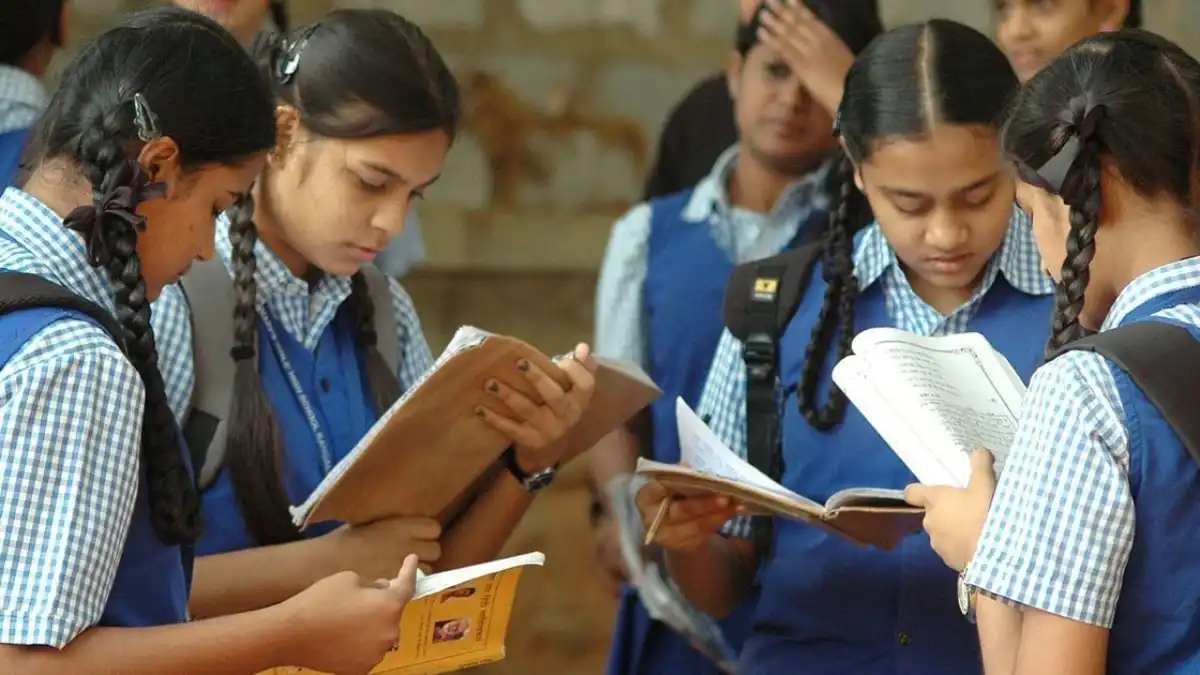
In Guwahati, teachers and parents have increasingly flagged concerns around late-night screen use, declining attention spans, and reduced outdoor activity among children.
With many schools in the city relying on digital tools for assignments and communication, experts note that the boundary between educational screen time and recreational overuse has become increasingly blurred, especially in urban households with easy internet access.
Key Recommendations in the Survey
To counter rising digital dependence, the Economic Survey recommends a mix of policy action and household-level interventions, including:
- Age-based access norms for social media platforms
- Screen-time limits for children and adolescents
- Device-free hours within families
- Encouraging offline and shared activities
These measures, the survey notes, are essential to prevent long-term social and psychological costs.
India’s Digital Boom in Numbers
The warning comes amid rapid digital expansion across the country, including Assam:
- Internet connections rose from 25.15 crore in 2014 to 96.96 crore in 2024
- Over 85% of households now own at least one smartphone
- The digital economy contributes 11.74% of national income, projected to cross 13% by FY25
Guwahati, as Assam’s digital and education hub, has been at the forefront of this transformation.
Policy Gap on Age Limits
Despite being the world’s largest user market for platforms like Meta and YouTube, India does not yet have a uniform minimum age law for social media access.
The Economic Survey’s recommendation is likely to feed into broader policy debates, including child safety, online regulation, and digital well-being issues that increasingly affect urban centres like Guwahati.
What Happens Next
While the survey does not mandate immediate legal changes, its observations are expected to guide future policy discussions and regulatory frameworks. Any move towards age restrictions or stricter platform norms could directly impact how children in Guwahati access and use digital platforms.
Frequently Asked Questions
No. India does not have a single, unified national minimum age law governing access to social media platforms.
Guwahati has high smartphone penetration and growing digital use among students, making concerns around screen addiction and mental health especially relevant for families and schools.