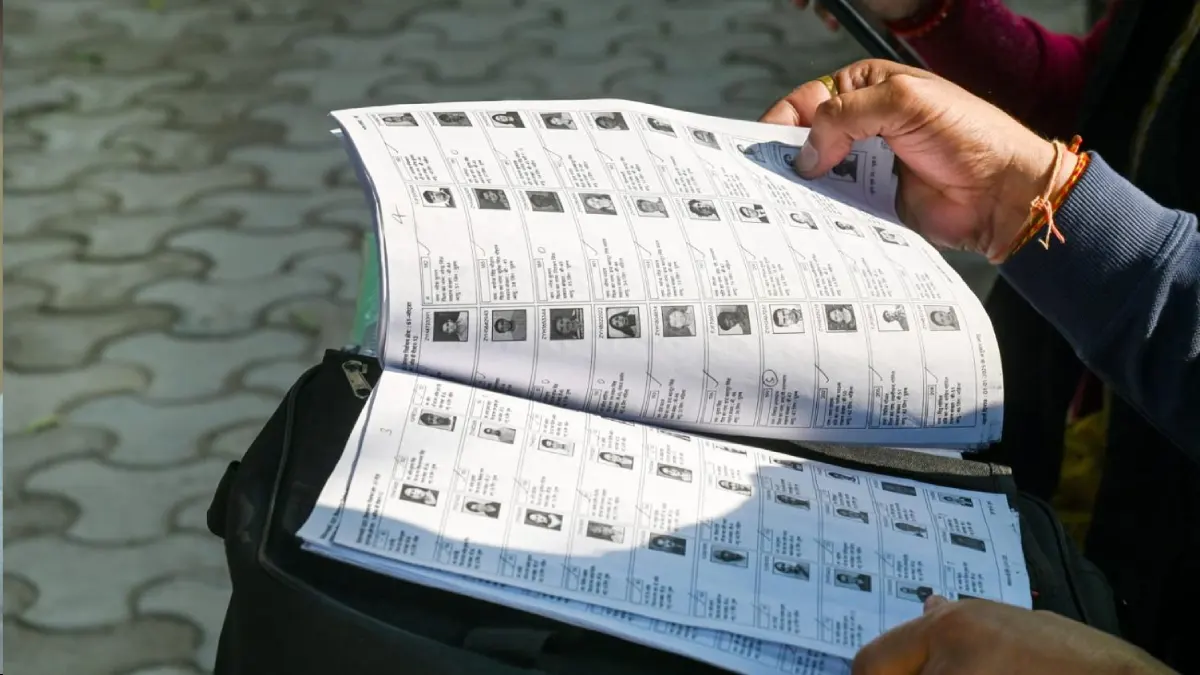
Debabrata Saikia, the Leader of Opposition in the Assam Legislative Assembly, has approached the Supreme Court of India seeking urgent intervention in the ongoing Special Revision of electoral rolls in Assam.
In a plea filed before the Chief Justice of India on January 28, 2026, Saikia has requested the court to take suo motu cognisance of what he alleges is the deliberate misuse of the voter verification process to selectively target a particular community, raising concerns of large-scale disenfranchisement across Assam, including Guwahati.
The Leader of Opposition in Assam has moved the Supreme Court seeking intervention in the Special Revision of electoral rolls, alleging selective issuance of notices to a specific community. The plea claims the process is being misused to intimidate voters, potentially affecting electoral rights in Guwahati and other parts of Assam.
What the Petition Alleges
According to the petition, the Special Revision exercise currently underway across Assam’s districts has deviated from its stated administrative purpose and is allegedly being used as a tool of political pressure.
The plea specifically refers to repeated public statements attributed to Assam Chief Minister Himanta Biswa Sarma, in which he is reported to have acknowledged that notices are being served selectively on members of the “Miya” (Bengali-origin Muslim) community.
Saikia’s submission claims these remarks suggest a conscious policy intent to “keep the community under pressure” during the voter roll revision process.
Role of Form-7 and Alleged Misuse
The petition highlights concerns around the use of Form-7 under the Registration of Electors Rules, 1960. Form-7 is legally meant to allow objections against the inclusion of specific names in the electoral roll, subject to due verification.
According to the plea, Form-7 is allegedly being “weaponised” beyond its intended scope, creating an atmosphere of fear and intimidation. The petition argues that such practices could lead to the arbitrary deletion of names without adequate procedural safeguards.
Why This Matters to Guwahati
Guwahati, as Assam’s largest urban centre and a politically significant constituency cluster, is directly affected by the Special Revision process. Several localities in and around the city have reported heightened voter verification activity in recent weeks.
Any large-scale exclusion of voters from electoral rolls in Guwahati could have a direct impact on civic participation, municipal governance, and upcoming Assembly and parliamentary elections.
Constitutional Concerns Raised
The plea contends that the alleged actions undermine the institutional independence of the Election Commission of India and risk politicising an otherwise constitutional process.
It further argues that selective targeting during voter roll revision violates fundamental constitutional principles, including equality before the law, secularism, and protection against discrimination.
What Happens Next
At this stage, the Supreme Court has not publicly indicated whether it will take suo motu cognisance of the matter. Any decision by the apex court could potentially lead to judicial scrutiny of the Special Revision process across Assam.
For residents of Guwahati and other urban centres, the outcome may determine how voter verification exercises are conducted in the coming weeks and what safeguards are put in place to prevent arbitrary exclusion.
Frequently Asked Questions
The Special Revision is an administrative exercise conducted by the Election Commission to update voter lists, remove ineligible entries, and ensure accuracy before elections.
Guwahati has a large and diverse voter base. Any irregularities or selective actions during voter roll revision could affect thousands of eligible voters and influence electoral outcomes in the city.