
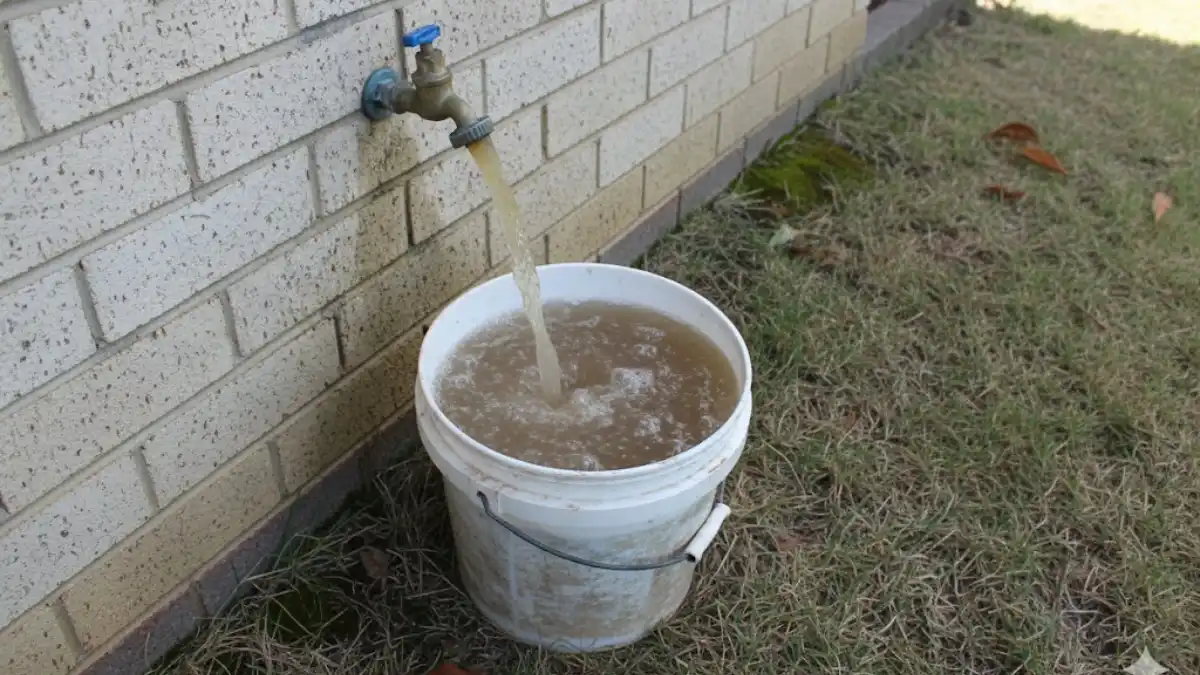
Concerns over drinking water safety are growing among residents of Wireless, after repeated complaints of foul smell, discolouration, and suspected contamination in the water supply. The issue has resurfaced sharply in the wake of a recent water contamination crisis reported from Indore, prompting residents to question the condition of Guwahati’s ageing supply infrastructure.
Locals allege that the problem is not new and has persisted for several years, driven by irregular water supply, old pipelines, and frequent punctures, raising serious public health concerns.
Residents of Guwahati’s Wireless area have raised alarms over foul-smelling and discoloured drinking water, citing ageing pipelines and repeated punctures. Locals say the problem has persisted for years, worsens during monsoon flooding, and may pose health risks. They have urged authorities to ensure a safe and reliable water supply.
Residents allege long-standing neglect
Several households claim the piped water supplied to them is often unfit for daily use, forcing families to rely on borewells or use municipal water only when it appears visually clear.
Speaking to local media, area resident Kaustav Bhattacharya questioned the accountability of authorities.
“We regularly pay our bills online to the Guwahati Metropolitan Drinking Water and Sewerage Board, but what is the point if the water cannot be safely used? Pipeline punctures are frequent. These pipes run close to drains, repairs are delayed, and after restoration the same problem repeats,” he said.
Health risks during the monsoon are highlighted
Residents said the situation deteriorates further during the monsoon season, when artificial flooding leads to contamination of the water supply.
Bhattacharya added that foul odour and unusual colouring in the water have been observed repeatedly.
“The situation becomes worse during the monsoon. Floodwater contaminates the supply, and despite repeated complaints, no long-term or holistic solution has been implemented,” he said.
Locals fear that prolonged exposure to contaminated water could lead to water-borne diseases, especially affecting children and elderly residents.
Infrastructure work blamed for pipeline damage
Residents also blamed ongoing infrastructure activities under PBGPL in the area for aggravating the problem. According to locals, construction work has led to repeated damage to underground pipelines, disrupting an already fragile distribution system.
They alleged that pipeline repairs are often temporary and fail to address structural weaknesses in the network.
Civic agencies yet to issue a response
At the time of filing this report, no official response had been issued by the Guwahati Metropolitan Drinking Water and Sewerage Board regarding the complaints from Wireless area residents.
Residents said they have submitted multiple complaints but have not seen sustained improvement on the ground.
Why this matters
Safe drinking water is a basic civic necessity in a growing city like Guwahati. Persistent complaints of contamination not only raise public health risks but also highlight the need for systemic infrastructure upgrades, regular quality monitoring, and better coordination during construction activities.
What happens next
Residents are demanding immediate water quality testing, replacement of ageing pipelines, and stricter oversight of construction-related damage. They say continued inaction could force them to escalate the issue to higher authorities if a permanent solution is not implemented.
Frequently Asked Questions
Residents of the Wireless area in Guwahati have reported foul-smelling and discoloured drinking water.
Locals cite ageing pipelines, frequent punctures, proximity of pipes to drains, monsoon flooding, and damage caused by ongoing infrastructure work.